

Affordable Therapy for BIPOC in NYC
Empowering, culturally responsive therapy that honors your strength, joy, and resilience.

Therapy for BIPOC in NYC offers a supportive space to process stress, identity, and lived experience within a cultural context that honors your full humanity. At Insight Therapy NYC, we provide affordable, culturally responsive therapy for Black, Indigenous, and People of Color navigating both systemic pressures and personal growth. Our work centers your experiences with care, respect, and cultural humility.
Being BIPOC in New York City means carrying a story that’s layered, complex, and powerful. It can include both deep pride and deep fatigue – the joy of belonging to rich cultural traditions alongside the strain of navigating systems that don’t always see or support you fully. NYC’s energy and diversity can be empowering, offering space for community, creativity, and success, but it can also magnify pressures to prove yourself or to keep going even when you’re running on empty.
At Insight Therapy NYC, we provide affordable therapy for BIPOC in NYC that celebrates both your resilience and your need for rest. Our therapists hold space for your full identity: your strength, softness, humor, grief, and everything in between. We approach therapy with cultural humility and warmth, helping you explore your experiences without judgment and reconnect with the parts of yourself that feel most grounded and whole.
Who Can Benefit From BIPOC-Affirming Therapy in NYC?
BIPOC-affirming therapy can support Black, Indigenous, and People of Color who want space to explore stress, identity, relationships, racial or cultural pressures, and personal growth within the context of their lived experience. You do not need to be in crisis to benefit from therapy.
Being BIPOC in New York City can mean carrying a story that is layered and complex, with deep pride alongside deep fatigue, and the joy of cultural tradition alongside the strain of navigating systems that do not always see or support you fully.
NYC's energy and diversity can be empowering, offering space for community, creativity, and success. At the same time, it can magnify pressures to prove yourself, code-switch, or keep going when you are already running on empty.
We approach therapy with cultural humility and curiosity, helping you explore your experiences without judgment and reconnect with the parts of yourself that feel most grounded and whole.
What Experiences Can Therapy Help BIPOC Clients Work Through?
Therapy can help BIPOC clients explore experiences related to racial stress, identity, family and community expectations, workplace bias, anxiety, grief, belonging, relationships, and personal growth. It can also create space to strengthen connection to culture, creativity, community, and joy.
You may notice experiences such as:
Pride, joy, and belonging alongside emotional exhaustion, anxiety, or sadness
Strong family or community connections balanced with expectations, responsibility, or generational pressure
Professional stress related to bias, code-switching, imposter syndrome, or the need to constantly prove yourself
Navigating cultural richness, creativity, and tradition as sources of strength and grounding
Encounters with systemic inequity or discrimination while still striving to build spaces of belonging and empowerment
Pressure to remain resilient when what you may actually need is support, rest, or room to process
Tension between your own values and expectations from family, work, culture, or community
As Insight Therapy NYC founder and director Dr. Logan Jones, Psy.D. explains:
“Pride and fatigue often live side by side for BIPOC New Yorkers. You can honor your culture, your family, and your history while still acknowledging how heavy it can feel to keep proving yourself.”
How Does Insight Therapy NYC Approach Therapy for BIPOC Clients?
Therapy for BIPOC clients at Insight Therapy NYC is grounded in cultural humility, emotional safety, and an understanding that identity and environment can shape mental health. Your experiences are considered within their social, cultural, relational, and historical context rather than treated in isolation.
Your therapist may draw from different evidence-based and trauma-informed approaches depending on your goals, preferences, history, and needs.
Therapy may include:
Acceptance and Commitment Therapy (ACT) to help you identify what matters to you and move toward a values-aligned life while making room for difficult emotions, including those connected to systemic stress, identity, or relationships.
Cognitive Behavioral Therapy (CBT) to help you examine patterns of anxiety, self-criticism, perfectionism, or unhelpful thinking without dismissing the lived experiences and environments that helped shape those patterns.
Mindfulness-based approaches to support grounding, emotional awareness, and the ability to remain present when stress feels overwhelming.
Trauma-informed care that acknowledges the effects of racial stress, chronic vigilance, discrimination, and intergenerational trauma on how safety is felt in the body and in relationships.
Therapy may also explore racial and cultural identity, family narratives, boundaries, rest, joy, creativity, spirituality, relationships, work, community, and advocacy.
Therapy can help you strengthen your voice, understand what you need, reconnect with your sense of self, and build a life that feels more affirming and sustainable.
What Are the Benefits of Therapy for BIPOC Clients?
Therapy can help BIPOC clients feel more grounded in their identity, understand emotional patterns, reduce stress and anxiety, and develop a clearer sense of what they need.
Some possible benefits include:
Feeling more grounded and confident in your identity
Finding relief from stress, anxiety, or racial trauma
Understanding how past and present experiences influence emotional responses
Developing stronger communication and boundaries in relationships
Reconnecting with cultural pride, creativity, spirituality, community, or purpose
Exploring intergenerational patterns with greater compassion
Making more room for joy, rest, play, connection, and self-expression
Developing greater confidence in decisions about work, family, relationships, and identity
As Dr. Jones puts it:
“Your identity isn’t just shaped by struggle. It’s shaped by creativity, humor, tradition, and love. Therapy helps bring those parts forward, not just the ones that learned how to survive.”
How Much Does BIPOC Therapy Cost in NYC, and What Insurance Options Are Available?
Insight Therapy NYC offers therapy at rates that are lower than many traditional private practices in Manhattan, with several payment and insurance options that may help make care more manageable.
We accept Northwell Direct Tier 1 insurance, which may allow you to access care with lower out-of-pocket costs. If you’re covered under this plan, you can learn more about how to get started on our Using Northwell Direct Tier 1 Insurance page.
If you have out-of-network insurance benefits with another insurance company, we provide superbills that you can submit for possible reimbursement. To learn more about session fees, payment options, and insurance, visit our Fees & Insurance and How Out-of-Network Insurance Works pages. Our aim is to make therapy transparent, inclusive, and financially manageable, so you can focus on healing rather than logistics.
What Can I Do If I’m Not Ready to Start Therapy Yet?
You do not have to begin therapy immediately to start caring for your mental health. Rest, reflection, community connection, creativity, and small changes in how you respond to stress can all be meaningful forms of support.
You might try:
Revisiting music, language, food, art, traditions, or places that remind you of who you are and where you come from.
Reflecting or journaling on where your strength comes from, what messages you inherited about success or resilience, and how you want to define those ideas for yourself.
Spending time in spaces where your voice feels heard, valued, and understood.
Noticing where you may be treating exhaustion as an expectation and experimenting with giving yourself permission to slow down.
Reading or listening to books, podcasts, essays, or art from your community, which can offer language for experiences that may otherwise feel difficult to name.
How Do I Find a BIPOC-Affirming Therapist at Insight Therapy NYC?
You can start by completing Insight Therapy NYC's Therapist Matching Questionnaire, browsing our therapist profiles, or scheduling a free 30-minute phone consultation with a therapist you are interested in working with. Our Client Care Team can help recommend therapists based on your goals, preferences, and the kind of therapeutic relationship you are looking for.
We offer therapy at our Manhattan office and through telehealth throughout New York State.
Clinical Review & Expert Insight
Updated September 2026
Reviewed by Dr. Logan Jones, Psy.D., Founder of Insight Therapy NYC
“Your story is not only about endurance. It’s also about joy, dignity, and the right to live fully. Therapy helps you hold all of it with clarity and care.”
Dr. Jones is a licensed clinical psychologist with extensive experience supporting individuals navigating perfectionism, imposter syndrome, chronic self-doubt, and high-achieving burnout. As the founder of Insight Therapy NYC, he brings a deep understanding of how early experiences, cultural expectations, and performance-driven environments shape internal pressure, fear of failure, and self-critical thought patterns.
In addition to founding Insight Therapy NYC, Dr. Jones also established Clarity Therapy NYC, Clarity Health + Wellness, and Clarity Cooperative – organizations dedicated to expanding access to high-quality mental health care and supporting the well-being and growth of both therapists and clients. His clinical insights and expertise are regularly featured in national and international media outlets focused on emotional health, identity, and the psychological impact of modern work and achievement culture.
Resources
Mental Health America: BIPOC Mental Health
The Mental Health Coalition: BIPOC Mental Health Guide: Reclaim Your Roots
Crisis Text Line: Mental Health Disparities and Supporting Black, Indigenous, and People of Color (BIPOC) Communities
Insight Therapy NYC: We’re Not Crazy, We’re Grieving: Black Women, Mental Health, and What Gets Missed in Therapy
Frequently Asked Questions About Therapy for BIPOC in NYC
-
If you’ve been feeling stressed, unseen, or disconnected – or if you simply want space to explore your identity and well-being – therapy can help. You don’t need to wait until things fall apart to reach out. Many clients seek therapy to strengthen self-awareness, improve boundaries, and connect more deeply to their joy and community. Therapy offers a chance to process what’s heavy while also celebrating what’s beautiful and strong about who you are. It’s a space to feel seen, supported, and proud of your full story.
-
Yes. Our therapists are trained in culturally responsive, trauma-informed, and anti-oppressive care. We work with clients from diverse racial, ethnic, and cultural backgrounds, and we value curiosity, humility, and care in every interaction. You’ll never be asked to educate your therapist about your identity. Instead, we’ll meet you where you are and honor the context you bring. Our goal is to support your healing and empowerment through an affirming, collaborative process.
-
Yes. Everything you share in therapy is confidential, with only a few exceptions required by law for safety reasons. This privacy creates a safe, trusted space where you can speak openly about your experiences, including those related to race, identity, or culture. Many clients describe therapy as one of the few places where they can exhale and simply be. Confidentiality allows you to explore your emotions fully, knowing your story is protected.
-
Absolutely. We know affordability can be a barrier, and we’re committed to changing that. Our session fees are lower than many private practices in Manhattan, and we provide superbills for out-of-network reimbursement so you can receive partial refunds from your insurance provider if you have out-of-network benefits. Transparency and accessibility are key values in our practice. For more information, visit our Fees & Payment and How Insurance Works pages.
-
Yes. You can meet with your therapist in our Manhattan office or through secure virtual sessions anywhere in New York State. Many clients choose online therapy for its flexibility and privacy while still receiving affirming, high-quality care. Whether online or in person, our therapists will help you explore, rest, and grow in ways that feel true to who you are.
Therapists Who Specialize in Therapy for BIPOC
-
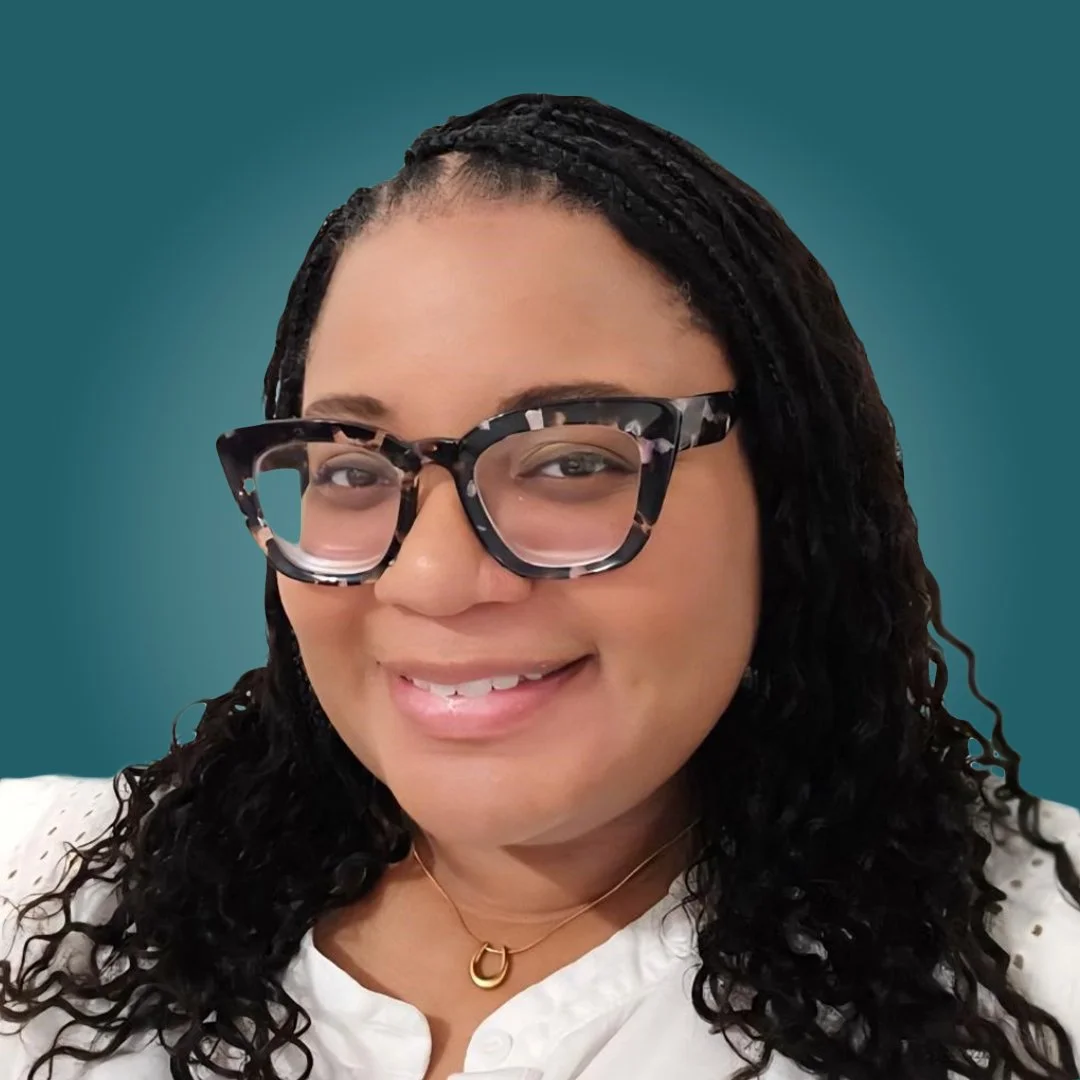
Melanie Eley, MHC-LP
Mental Health Counselor
About Insight Therapy NYC
Insight Therapy NYC is a psychotherapy practice in Manhattan offering in-person therapy on Fifth Avenue and virtual therapy across New York State. Founded by Dr. Logan Jones, the practice provides individual therapy, EMDR, and couples or family therapy for people seeking more personalized, accessible mental health care in New York City.
Clients come to the practice for support with a wide range of emotional, relational, and life challenges, and are matched with care based on their goals, preferences, and therapeutic needs. Services are designed to feel thoughtful and individualized, with care supported within a clinician-led practice environment.
The practice offers transparent out-of-pocket rates, superbills for possible out-of-network reimbursement, and Northwell Direct Tier 1 for eligible therapy services. For clients looking for therapy in Manhattan or virtual therapy in New York State, the goal is to make getting started feel clearer, more personal, and more sustainable.