

Affordable Therapy for Frontline & Essential Workers in NYC
Support for the people who keep everything running — even when it feels like there’s no room to rest.
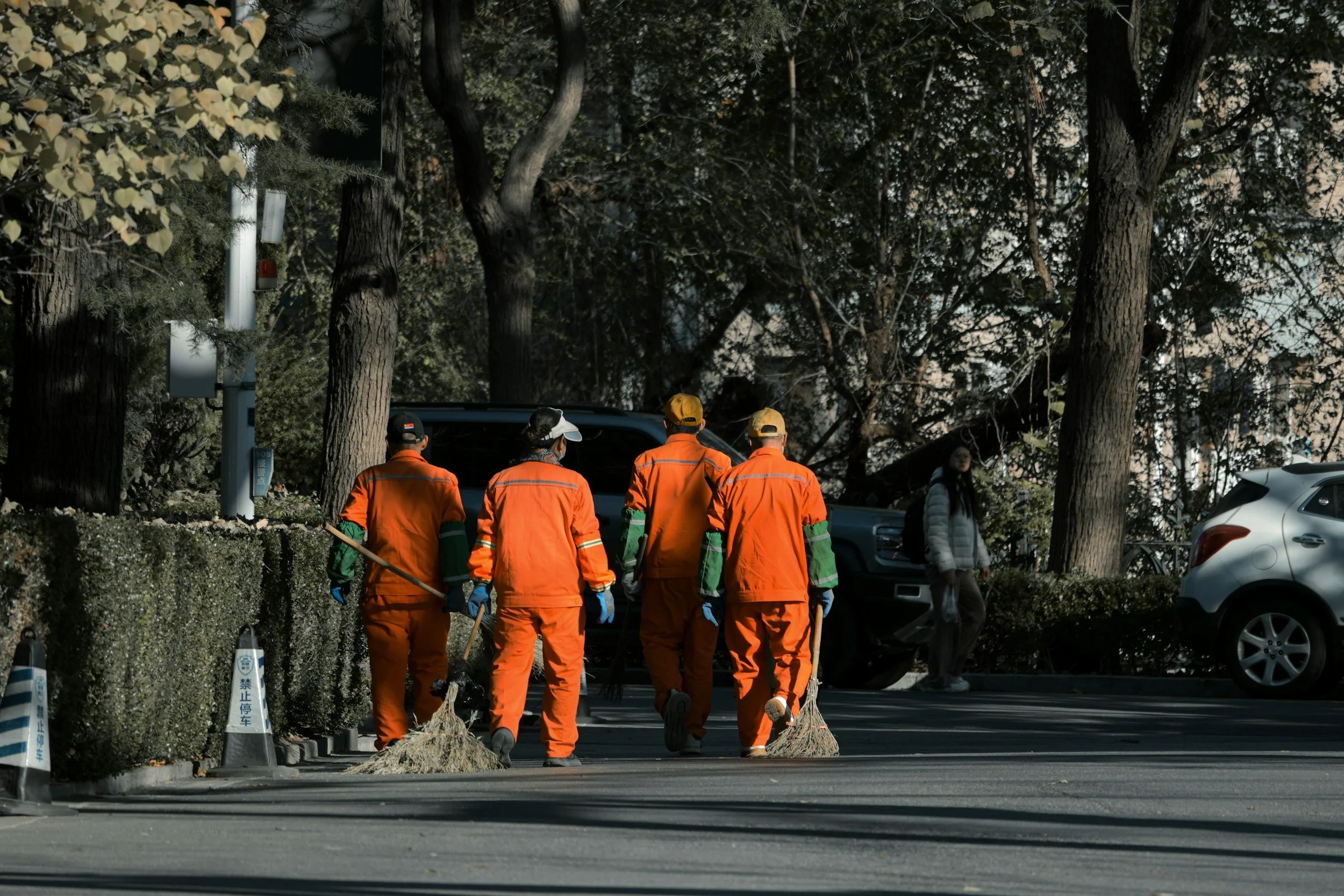
Working on the front lines or in an essential role often means carrying responsibility that doesn’t switch off at the end of the day. If you’ve been feeling exhausted, emotionally stretched, or disconnected from yourself or others, therapy for frontline and essential workers in NYC can help. At Insight Therapy NYC, we offer affordable, compassionate therapy designed to support you through chronic stress, burnout, and the emotional weight of essential work.
Who We Help
Frontline and essential workers play a critical role in keeping communities functioning, especially during times of crisis or instability. This includes people working in healthcare, public safety, education, transportation, food services, sanitation, childcare, social services, and other roles that require showing up no matter what.
In NYC, essential work often comes with long hours, limited recovery time, exposure to stress or trauma, and pressure to keep going even when you’re depleted. Many essential workers are deeply committed to their roles, but that commitment can come at the cost of rest, emotional processing, and personal well-being. Therapy offers a space where you don’t have to be the strong one.
Common Challenges for Frontline & Essential Workers
Essential work can affect your mental health in ways that build gradually over time. You may notice:
Chronic stress, burnout, or emotional exhaustion
Difficulty “turning off” work thoughts outside of shifts
Anxiety, irritability, or low mood that feels hard to explain
Feeling numb, detached, or emotionally overloaded
Guilt about resting or taking time off
Strain in relationships due to exhaustion or schedule demands
Trouble sleeping or feeling constantly on edge
Feeling unseen, undervalued, or replaceable despite your impact
In a city as fast-paced as NYC, these challenges are often compounded by high living costs, long commutes, and limited downtime. Therapy can help you slow down, process what you’re carrying, and begin restoring balance.
In the words of our director and founder, Dr. Logan Jones, Psy.D., “You can only carry so much, even with the best intentions. Honoring those in high-exposure roles means recognizing their limits and creating spaces where your humanity is protected, not tested.”
How Therapy Helps Frontline & Essential Workers at Insight Therapy NYC
Therapy for frontline and essential workers at Insight Therapy NYC focuses on helping you feel supported, grounded, and resourced – not pushed to cope “better” in impossible conditions.
Our therapists take a collaborative, trauma-informed approach that honors the realities of essential work while supporting your mental and emotional health. Therapy may include:
Acceptance and Commitment Therapy (ACT) to help you reconnect with your values while making room for difficult emotions
Cognitive Behavioral Therapy (CBT) to reduce chronic stress, self-criticism, and unhelpful thought patterns
Internal Family Systems (IFS) to explore different parts of you — including the part that keeps going no matter what — with compassion rather than pressure
Mindfulness-based strategies to support nervous system regulation and emotional grounding
Boundary and identity-focused work to help you separate who you are from what you’re required to carry at work
Sessions are paced to your needs and grounded in respect for your limits. Therapy isn’t about fixing you – it’s about supporting you in a role that often asks too much.
Benefits of Therapy for Frontline & Essential Workers
Many essential workers find that therapy helps them experience both immediate relief and longer-term change, including:
Reduced burnout and emotional exhaustion
Better sleep and improved stress recovery
Stronger boundaries between work and personal life
Greater emotional regulation and resilience
Increased clarity about needs, limits, and values
Improved communication and connection in relationships
A renewed sense of self beyond your role or responsibilities
Over time, therapy can help you move from survival mode toward a life that includes rest, meaning, and sustainability.
According to Dr. Jones, “Being constantly available to the public can erode the boundary between service and self sacrifice. Therapy helps restore that boundary so compassion remains generous instead of draining.”
Accessibility & Affordability
We believe care should be accessible to the people who give so much to others. Insight Therapy NYC offers rates that are lower than many private practices in Manhattan, making therapy more attainable for frontline and essential workers.
We accept Northwell Direct Tier 1 insurance, which may allow you to access care with lower out-of-pocket costs. If you’re covered under this plan, you can learn more about how to get started on our Using Northwell Direct Tier 1 Insurance page.
If you have out-of-network insurance benefits through another insurance provider, we provide superbills that you can submit for possible reimbursement. To learn more about cost, payment options, and how insurance works, visit our Fees & Payment and How Out-of-Network Insurance Works pages. Our goal is to make therapy feel clear and manageable, not like another burden.
Not Ready to Start Therapy?
If you’re not ready for therapy yet, small steps can still support your well-being:
Create brief transition rituals between work and home (changing clothes, stepping outside, a few slow breaths)
Prioritize rest without justifying it as “earned”
Limit overexposure to work-related stressors during off-hours when possible
Connect with peers who understand the realities of essential work
Use grounding practices like gentle movement, breathing, or body-based awareness
These tools aren’t a replacement for therapy, but they can help reduce overload and create space to care for yourself.
Taking the Next Step
You deserve support, too – not just when you reach a breaking point. Therapy can help you process stress, reconnect with yourself, and build a more sustainable way of living alongside essential work.
A helpful place to begin is our Therapist Matching Questionnaire, which allows our client care team to recommend therapists based on your goals and preferences. If you’d like to explore Insight’s therapists, you’re welcome to view our team and schedule a free 30-minute phone consultation directly.
We offer therapy in our Manhattan office and via telehealth throughout New York State.
“High emotional exposure with little control creates a particular kind of exhaustion. You’re expected to remain composed while navigating unpredictability, conflict, and scrutiny. Therapy offers a place where that vigilance can finally soften.”
Clinical Review & Expert Insight
Updated March 2026
Reviewed by Dr. Logan Jones, Psy.D., Founder of Insight Therapy NYC
Dr. Jones is a licensed clinical psychologist whose work focuses on emotional well-being, stress patterns, and the impact of modern life on mental health. As the founder of Insight Therapy NYC, he brings a broad clinical perspective to understanding how chronic stress, disrupted routines, and environmental pressures affect emotional regulation and relationships.
In addition to Insight Therapy NYC, Dr. Jones founded Clarity Therapy NYC, Clarity Health + Wellness, and Clarity Cooperative, all initiatives dedicated to expanding access to high-quality mental health care and supporting the long-term sustainability of therapists and clients alike. His work is regularly featured in national and international media exploring emotional health in today’s world.
More Resources
American Psychological Association (APA): Coping With Stress at Work
Anxiety & Depression Association of America: Workplace Burnout: Building Awareness and Prevention
Insight Therapy NYC Blog: Signs of Burnout You Might Be Ignoring
Insight Therapy NYC Blog: Five Signs of Compassion Fatigue in Frontline Hospital Staff
FAQs
-
If your work has begun to affect your sleep, mood, relationships, or sense of emotional balance, therapy can be a helpful form of support. Many frontline and essential workers seek therapy not because of a single crisis, but because stress and exhaustion have become chronic. Therapy can help you process what you’ve been carrying, set healthier boundaries, and reconnect with yourself outside of your role. You don’t need to be “at a breaking point” to benefit.
-
Yes. Our therapists regularly support clients working in high-responsibility, high-stress roles across healthcare, public service, education, transportation, service industries, and other essential fields. We understand the emotional weight of caring for others, working under pressure, and being expected to “push through” difficult conditions. Therapy is tailored to your lived reality, not a one-size-fits-all approach. You’ll be met with respect, flexibility, and an understanding of how demanding your work can be.
-
Yes. Therapy is confidential except in rare situations involving safety concerns. Your therapist will explain these limits clearly at the start so you can feel secure sharing openly. Many Yes. Everything you share in therapy is confidential, with limited exceptions required by law related to safety. Many frontline and essential workers worry about privacy, especially when discussing workplace stress, burnout, or emotional overwhelm. Your therapist will clearly explain confidentiality so you know exactly what to expect. Therapy is a private, judgment-free space where you can speak openly.
-
Yes. Insight Therapy NYC offers rates that are lower than many private practices in Manhattan, making therapy more accessible for workers in demanding roles. If you have out-of-network insurance benefits, we provide superbills that you can submit for possible reimbursement. We also offer flexible scheduling and telehealth options to better accommodate long or irregular shifts. You can learn more on our Fees & Payment and How Insurance Works pages.
-
Absolutely. Telehealth therapy is available across New York State and can be especially helpful when in-person scheduling is difficult or unpredictable. Online sessions allow Absolutely. Telehealth therapy is available anywhere in New York State and can be especially helpful if commuting, rotating shifts, or exhaustion make in-person sessions difficult. Many frontline and essential workers appreciate the flexibility and privacy of virtual sessions. Together, you and your therapist can decide whether in-person, online, or a mix of both works best for you. The level of care remains the same in either format.
Therapists Who Specialize in Therapy for Frontline and Essential Workers
-

Melanie Eley, MHC-LP
Mental Health Counselor
-

Nia Millington, MHC-LP
Mental Health Counselor
-

Stephanie Dawber, LMSW
Licensed Psychotherapist